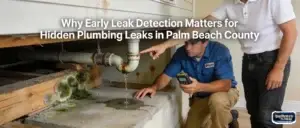



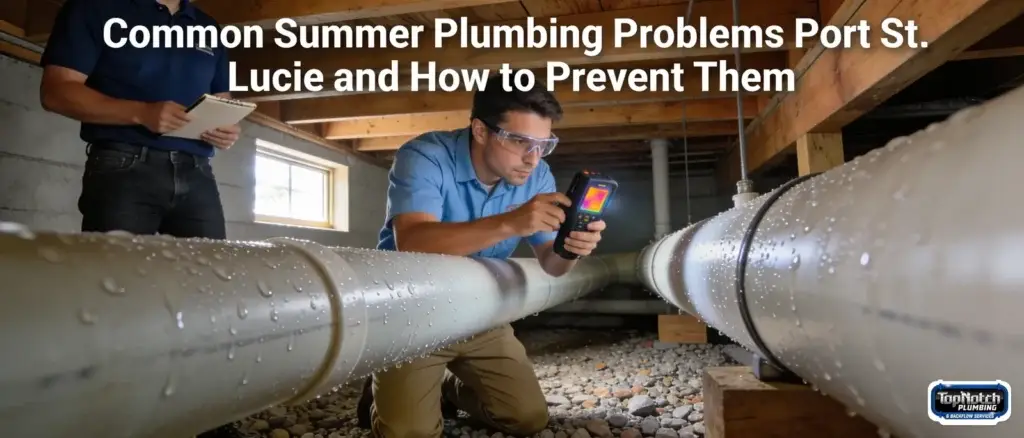
Burst pipes and leaks top the list, caused by increased water pressure and pipe expansion from South Florida’s summer heat, plus ground-drying droughts that shift home foundations. Prevent issues by scheduling seasonal inspections, monitoring water pressure, and addressing heavy rain drainage promptly to avoid costly hot-weather plumbing damage.
Port St. Lucie summers bring burst pipes, slab leaks, and clogged drains as heat and humidity raise water pressure and expand pipes. Rainy season adds sewer backups and irrigation leaks. Top Notch Plumbing & Backflow Services recommends annual leak detection, backflow testing, and pipe inspections before peak heat hits, plus 24/7 emergency repair access.
Why Does Summer Heat Stress PSL Pipes?
Rising temperatures build pressure inside water lines, which can lead to bursts or hidden leaks. Port St. Lucie summers push pipe systems past their comfort zone in ways many homeowners never notice until water shows up where it shouldn’t. We see the same pattern year after year across St. Lucie County: heat strain compounds quietly, then fails suddenly.
Two forces drive most of the damage we find:
- Expansion inside the pipe walls — heat causes materials to swell slightly, narrowing the passage and setting up future clogs.
- Pressure buildup from temperature swings — the harder the water pushes against weakened joints, the sooner they crack or leak.
Can dry weather actually crack a water main?
Yes, and Port St. Lucie’s dry stretches make it a real risk. When rain disappears for weeks, soil beneath a house dries out and shrinks, letting the foundation settle. That shift can crack a water main running underneath, turning a slow drip into a costly repair.
Does the same dry-ground problem affect sewer lines?
It does. Sewer mains sit lower and shift when soil compacts unevenly, causing the line to settle, break, or dip out of alignment. Once a sewer main dips, wastewater backs up instead of flowing out.
Every plumber port st lucie fl homeowners call during summer sees this combination: expansion-driven clogs above ground and settling-driven cracks below it. Florida’s climate swings between soaking rains and dry spells within the same season. That volatility is exactly why seasonal vigilance matters more here than in milder climates. Why catching stress early protects both pipes and foundations.
What Leaks Should Port St. Lucie Homeowners Watch For?
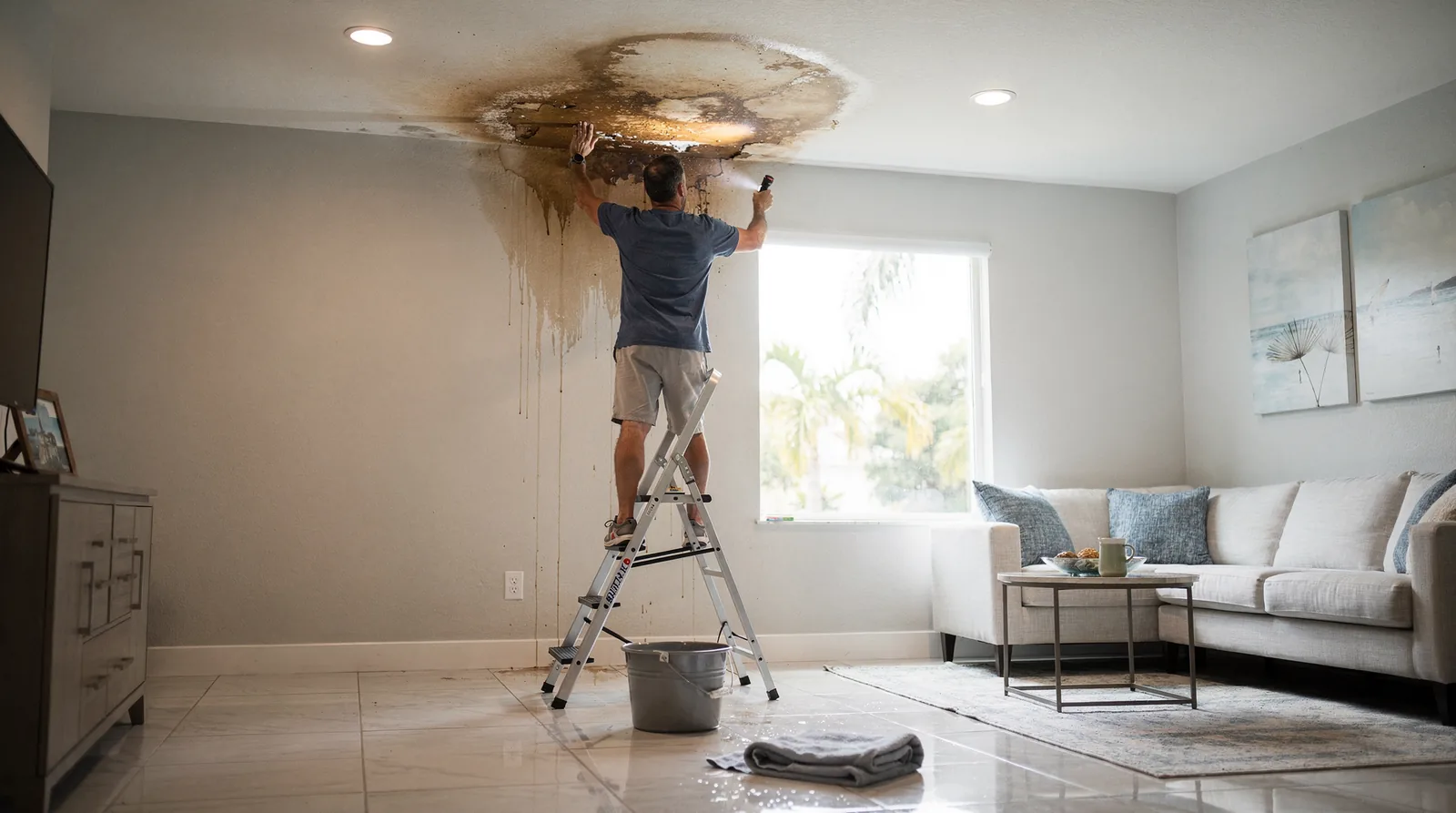
Three leak sources demand attention once summer temperatures climb across Port St. Lucie: slab leaks, storm-related pipe damage, and hidden pinhole leaks in copper lines. Rising heat is the trigger. Checking pipes as soon as temperatures start climbing catches small problems before they become expensive ones. We built our leak detection process around this reality. We bring that same process to every Treasure Coast home we serve.
Why do slab leaks hit coastal Port St. Lucie homes so often?
Coastal soil conditions near Port St. Lucie make slab leaks a recurring headache. Ground shifting beneath a concrete foundation puts uneven pressure on the pipes running through it. That pressure eventually cracks fittings or joints hidden below the slab. Homeowners often notice warm spots on flooring or unexplained water bills before they ever see standing water.
Can summer lightning storms actually damage plumbing?
Yes — copper plumbing sometimes serves as part of a home’s electrical grounding system. Frequent Florida lightning strikes during storm season add real stress to that setup. We recommend homeowners stay alert to this risk during the height of hurricane-season storms.
Beyond storms and slabs, three leak types deserve regular checks:
- Slab leaks — pipes beneath the foundation, often signaled by warm floor spots
- Hidden pipe leaks — corroded or pinhole leaks inside walls, rarely visible until damage spreads
- Underground waterline leaks — buried supply lines prone to cracking as soil moves
Any plumber port st lucie fl homeowners trust should offer dedicated leak detection covering all three categories. We provide exactly that — locating slab leaks, hidden pipe leaks, and underground waterline leaks before they turn into structural repairs or mold problems.
How Does Rainy Season Overload Drains and Sewers?
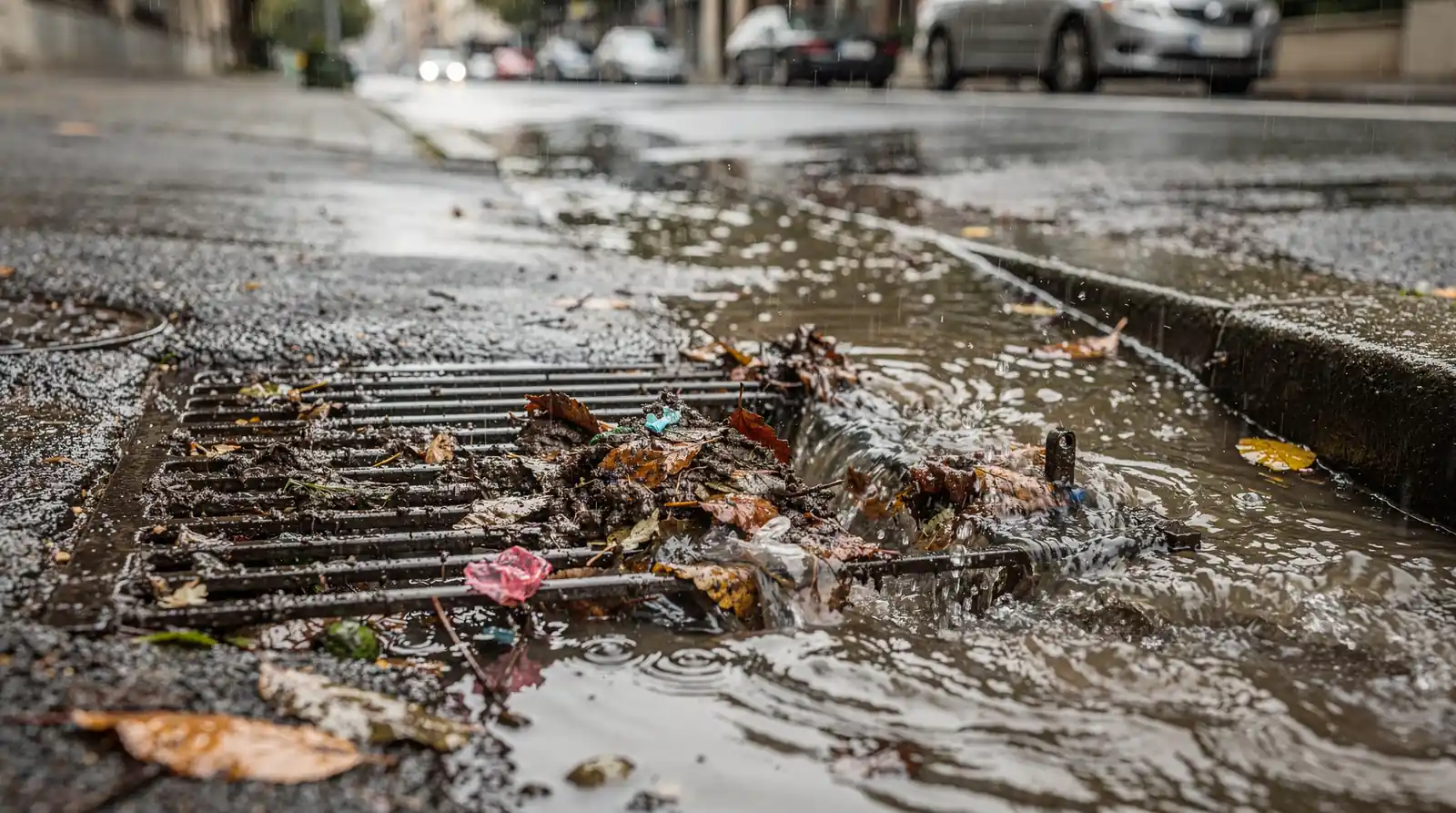
Sustained downpours push more water into pipes than they were built to handle, backing up drains before homeowners even notice a problem. Heavy summer rains rank among the toughest seasonal plumbing challenges Port St. Lucie residents face each year. Between the drenching wet season and occasional cold snaps in winter, local plumbing systems absorb constant stress from shifting weather.
Understanding the specific climate and rainfall patterns here matters more than generic seasonal advice. A storm pattern that barely affects the Midwest can flood a Port St. Lucie yard and drive groundwater straight into sewer lines. That’s why planning around our actual weather, not a one-size-fits-all calendar, protects pipes better.
What Causes Drain Backups During Heavy Storms?
Clogs, root intrusion, and strained sewer lines all worsen once rain saturates the ground. Drain cleaning and hydro-jetting services target exactly these problems, clearing blockages before they turn into backups inside the home.
Are Older Homes More Vulnerable to Rainy Season Plumbing Failures?
Yes, and the risk is significant. Many Treasure Coast homes date back to the 1960s through 1980s, with original plumbing well past its useful life. Older pipe materials crack and shift more easily under the added pressure that heavy rain and saturated soil create.
We recommend watching for these warning signs before the next storm rolls through:
- Slow-draining sinks or tubs after rainfall
- Gurgling sounds from toilets or floor drains
- Water backing up in the lowest drain in the house
- Musty odors near sewer cleanouts
As a licensed plumber Port St. Lucie FL homeowners call before small clogs become sewer emergencies, we inspect aging systems and clear lines before rainy season peaks.
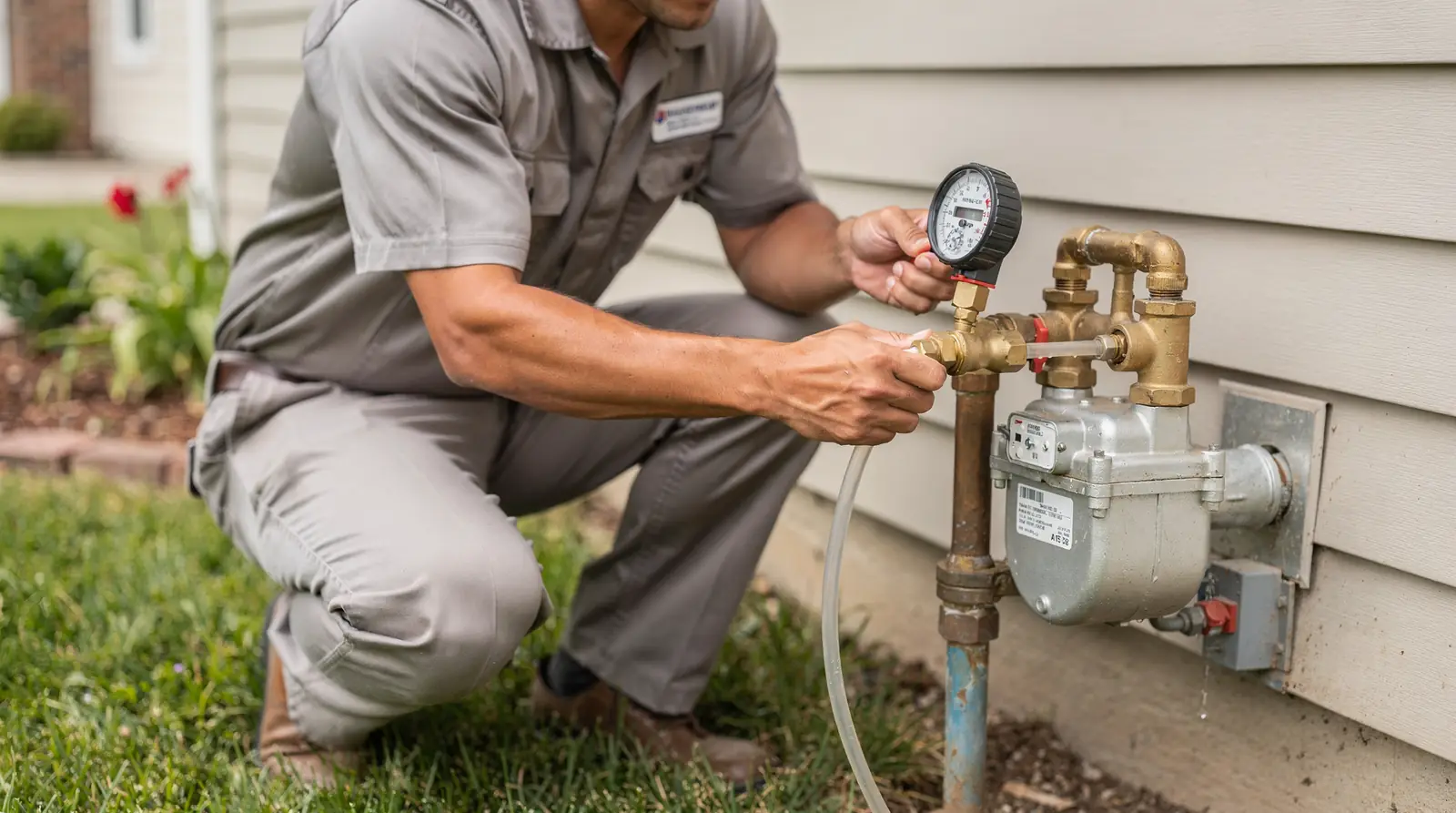
Could Backflow Testing Protect Your PSL Water Supply?
Backflow testing stops contaminated water from siphoning back into Port St. Lucie’s clean water lines. Cross-connections at irrigation systems, pools, and older fixtures create real risk, and untested backflow preventers fail quietly, often without any warning sign until contamination reaches the tap. We treat backflow prevention and testing as a core service across the Treasure Coast, not an afterthought tacked onto other repairs, an approach we bring to homeowners throughout our Fort Pierce service area as well.
Certified annual testing keeps a home’s device compliant and functioning correctly. We inspect the assembly, verify pressure performance, and confirm the unit meets code requirements for the year ahead.
Who handles backflow compliance paperwork in Port St. Lucie?
Utility authorities require documented proof that backflow devices pass inspection on schedule. We manage that testing and file the compliance paperwork directly with local utility authorities. Homeowners never have to chase down forms or deadlines themselves.
Is my plumber actually licensed to do this work?
Florida law requires backflow testing to come from a licensed, qualified plumber. Our Florida plumbing license, CFC1426983, is verifiable through the DBPR website, giving homeowners an easy way to confirm credentials before scheduling work.
Beyond backflow, we round out our services with:
- 24/7 emergency repairs for sudden leaks or line breaks
- Water heater installation and replacement
- Leak detection to catch hidden water loss early
- Certified backflow testing and compliance filing
A plumber port st lucie fl homeowners can verify and trust matters most when water safety is on the line. We built our backflow process around exactly that standard.
When Should You Call a Plumber in Port St. Lucie FL?
A burst pipe, a sewage backup, or a water heater that won’t shut off all warrant an emergency call before damage spreads. Waiting even a few hours changes a minor repair into a major renovation. We built our reputation as Top Notch Plumbing, Port St. Lucie’s trusted local plumber, on responding fast, staying licensed, and delivering reliable results every visit.
What counts as a plumbing emergency?
Any leak, flood, or gas smell that threatens your home’s structure or your family’s safety qualifies as an emergency. Taking action right away — shutting off the main water valve, moving valuables, calling a professional — minimizes damage until help arrives. Our Treasure Coast plumbing emergencies guide walks through these exact steps in more detail. Don’t wait until morning if water is actively pooling.
Beyond true emergencies, several situations call for a plumber in Port St. Lucie FL on a scheduled basis:
- Slow drains that gurgle or back up repeatedly
- Water bills that spike without an obvious explanation
- Low water pressure across multiple fixtures
- Rusty or discolored water from the tap
- Backflow testing required for irrigation or commercial systems
Why does finding the leak matter so much?
Hidden leaks under a house cause the most expensive damage because homeowners often don’t know they exist. One customer review described exactly this scenario: our technician located a leak beneath the residence that other plumbers had missed entirely. That kind of thoroughness separates a quick fix from a lasting solution.
We serve homeowners throughout Port St. Lucie and extend that same standard to Stuart, Jensen Beach, Palm City, and Jupiter across the Treasure Coast.
Summer plumbing challenges in Port St. Lucie demand proactive attention, but the good news is that most problems yield to prevention. By staying vigilant about your pipes, fixtures, and water pressure during the hot months, you protect your home from costly damage and keep your system running smoothly. Regular maintenance and quick action on early warning signs make all the difference. Your plumbing works hard for you—give it the care it deserves this season.