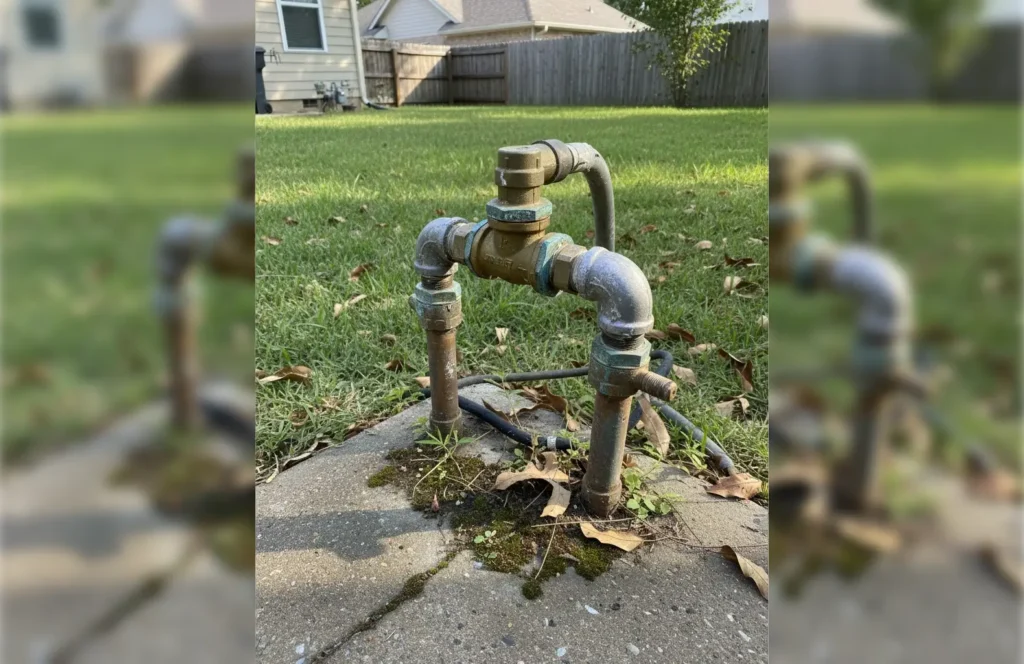
Backflow occurs when water flow reverses, allowing contaminants to enter your potable water supply, posing direct risks to health and plumbing integrity. This article explains how backflow happens, the most common signs you need a backflow repair or testing, and practical steps property owners in Port St. Lucie can take to protect occupants and comply with local regulations. You’ll learn how to spot discolored water, odd tastes or odors, pressure changes, visible leaks, and failed tests—each symptom tied to likely causes and immediate actions. We’ll also cover local testing requirements, typical repair triggers like back-siphonage and back-pressure, and simple preventive checks to reduce emergency risk. If you suspect an issue, this guide shows what to do first and when to call licensed professionals, including how Top Notch Plumbing and Backflow Services can help with testing, repairs, and compliance reporting in the Port St. Lucie area.
What Is Backflow and Why Is It Dangerous for Your Home or Business?
Backflow is the unintended reversal of water flow that permits non-potable water, contaminants, or chemicals to enter the clean water system. It occurs when pressure differentials push water the wrong way through pipes or assemblies, which can introduce pathogens, sediment, or hazardous chemicals into drinking water. The danger is both acute—contaminating drinking and cooking water—and chronic, because contaminated water can corrode plumbing and introduce bacteria that persist in storage or distribution systems. Understanding how back-siphonage and back-pressure create reversal helps owners prioritize inspections and protective devices to reduce health and regulatory risks.
After learning how backflow works and why it matters, many property owners need professional testing to confirm device function and compliance. Top Notch Plumbing and Backflow Services offers local backflow prevention and testing services for Port St. Lucie properties and can perform inspections to identify failure modes and next steps for repair or replacement.
How Does Backflow Occur? Understanding Back-Siphonage and Back-Pressure
Back-siphonage happens when system pressure drops (for example during a main break or high demand) and creates suction that pulls water from non-potable sources into the potable system. Back-pressure occurs when a downstream pressure source—like a pump, boiler, or elevated chemical feed—pushes higher-pressure water back toward the supply, reversing normal flow. Both mechanisms can move contaminants through cross-connections or failing assemblies such as Reduced Pressure Zone (RPZ) devices or Double Check Valve Assemblies (DCVAs). Recognizing which mechanism is likely in your situation helps technicians recommend the correct repair or device upgrade and helps you understand how events like water main breaks or irrigation pump starts increase risk.
What Are the Health Risks of Contaminated Water from Backflow?
Contaminated water from a backflow event can carry bacteria, viruses, agricultural chemicals, fertilizers, and industrial fluids that cause gastrointestinal illness, skin infections, and in severe cases systemic poisoning. High-risk locations include restaurants, medical offices, and buildings housing children or elderly people where exposure consequences are greater. Even low-level contamination can cause regulatory closures or mandated boil-water notices, affecting business operations and occupant safety. Because risks vary by contaminant type, rapid isolation, documentation, and testing are necessary to determine appropriate remediation and to protect vulnerable populations.
After learning how backflow works and why it matters, many property owners need professional testing to confirm device function and compliance. Top Notch Plumbing and Backflow Services offers local backflow prevention and testing services for Port St. Lucie properties and can perform inspections to identify failure modes and next steps for repair or replacement.
What Are the Key Signs Your Backflow Preventer Needs Repair or Testing?
A failing backflow preventer or a backflow event often produces observable clues that suggest contamination or mechanical failure. Below is a quick overview list of the most common signs property owners should recognize and document before calling for service.
- Discolored or cloudy water coming from taps, appliances, or irrigation outlets.
- Unusual tastes or odors such as metallic, chemical, or sewage-like smells.
- Sudden drops in water pressure or persistently slow drainage in plumbing fixtures.
- Visible leaks or pooling around backflow assemblies, often near the shutoff valves.
- Gurgling, hissing, or knocking noises in pipes that change when fixtures are used.
- Repeated failure on annual tests or inconsistent test cock readings.
These signs should prompt immediate precautions and documentation, then scheduling a licensed inspection to determine whether repair, recalibration, or replacement is required.
How Does Discolored or Cloudy Water Indicate Backflow Problems?
Brown, yellow, or cloudy water can signal rust, sediment, or external contaminants entering through a reversing flow. Brown water often indicates iron or rust being drawn in from corroded pipes or external sources, while cloudy water can signal suspended particles or trapped air mixing with contaminants. When discoloration appears suddenly across multiple fixtures, it can point to a system-level problem rather than a localized appliance issue. If you notice discolored water, stop using it for drinking and food prep, document the timing and affected outlets, and take photos for the technician and the local utility.
What Does an Unusual Water Taste or Odor Reveal About Backflow?
A metallic, chemical, or sewage-like taste or smell is a red flag because it often indicates organic or chemical contaminants in the potable supply after a backflow event. Metallic tastes can come from increased iron or copper exposure, chemical smells might signal fertilizers or solvents drawn through cross-connections, and sewage odors suggest pathogen risk from drainage cross-connections. Avoid consumption of suspect water, collect a sealed sample if safe, and record when and where the odor/taste was first noticed to aid diagnostics. These observations help technicians isolate likely contaminant sources and prioritize safety measures.
How Can Low Water Pressure or Slow Drainage Signal Backflow Issues?
Low water pressure or slow drainage can indicate obstructions, valve failures, or pressure reversals that compromise the backflow preventer’s operation. Pressure loss across the system can permit back-siphonage during main breaks or high-demand events, while localized slow drainage may show internal valve blockage or failing relief mechanisms. Homeowners should first check fixture-specific shutoffs and building pressure regulators before assuming backflow; persistent system-wide pressure abnormalities warrant immediate inspection. Document pressure patterns, when they occur, and any correlation with municipal repair notices to speed diagnosis.
What Do Visible Leaks Around the Backflow Preventer Mean?
Leaks around a backflow assembly—at test cocks, relief valves, or connection fittings—typically point to worn seals, damaged components, or impact damage that undermines device integrity. Even small, persistent drips can indicate that pressure differentials are bypassing internal checks and that the assembly may no longer meet compliance. Contain any pooling, protect nearby electrical components, and schedule a licensed inspection promptly because leaks often precede complete failure. Photos and a description of the leak location help technicians prepare necessary parts for efficient on-site repair.
Why Are Gurgling or Strange Noises in Plumbing a Warning Sign?
Gurgling, hissing, or banging noises often reflect air entrainment, rapid pressure swings, or failing check valves within assemblies—conditions associated with backflow events. Hissing near a backflow device can indicate a relief valve activating, while gurgling in drains may suggest cross-connection flow disturbance. These noises are meaningful diagnostic signals that technicians use to locate failing components or pressure imbalances. If noises coincide with usable water interruptions or contamination signs, treat them as urgent and document timing to help the service provider recreate conditions.
How Do Frequent Backflow Testing Failures Indicate Repair Needs?
Repeated failures during annual backflow testing generally mean the assembly has persistent mechanical defects or is mismatched to the site’s pressure conditions, and that repair or replacement is needed. Common failure points include degraded seals, stuck check valves, or relief valve miscalibration. Regulatory authorities often require reporting of failed tests and corrective action plans; repeated failures can lead to enforced replacement. When tests fail repeatedly, owners should expect a written failure report, a recommended repair scope, and a timeline for retest to restore compliance.
Different signs correspond to different likely causes and immediate homeowner actions, summarized below to help prioritize responses.
| Sign | Possible Cause(s) | Immediate Action |
|---|---|---|
| Discolored or cloudy water | Rust, sediment, reverse flow from external source | Stop using water for consumption; document outlets and photos |
| Unusual taste or odor | Chemical or organic contamination from cross-connection | Do not drink; collect sample if safe; notify a technician |
| Low pressure/slow drainage | Valve blockage, pressure drops, back-siphonage | Check local shutoffs; document timing; schedule inspection |
| Visible leaks at assembly | Worn seals, damaged fittings, relief valve failure | Contain water, protect electricals, call for service |
| Strange plumbing noises | Air entrainment, failing check valves, pressure swings | Record when noises occur; prepare for emergency shutoff if needed |
This table connects observable signs to likely mechanical or contamination causes and clarifies immediate homeowner actions so technicians can respond effectively. If you see any of these signs, schedule an inspection with Top Notch Plumbing and Backflow Services; their licensed professionals (CFC1426983) can assess the problem and advise next steps quickly.
What Immediate Actions Should You Take If You Notice Backflow Signs?
When you suspect backflow, prioritize human health and contamination containment first, then gather evidence for technicians and authorities. Immediate actions reduce exposure and help service providers diagnose the root cause faster. Start by stopping potable water use for drinking and food preparation, secure alternate safe water if needed, and document the problem with timestamps and photos. After initial containment, contact your utility if a system-wide issue is suspected and contact a licensed backflow professional for inspection and testing to confirm contamination and restore compliant operation.
- Stop using water for drinking and cooking and avoid showering or laundering until safety is confirmed.
- Turn off non-essential water-using equipment and appliances to minimize cross-flow risk.
- Photograph discoloration, leaks, and device locations; note times and which fixtures are affected.
- Notify the local water authority if multiple properties are affected or if you observed a water main incident.
- Contact a licensed backflow testing and repair technician for immediate inspection.
These steps prioritize safety and evidence collection, making subsequent testing and repair more targeted and efficient for both homeowners and technicians.
How to Safely Stop Using Water to Prevent Contamination
To reduce contamination risk safely, stop using potable water for consumption and food preparation first, then minimize other uses like bathing. If safe potable alternatives are available, use bottled or boiled water until testing clears the supply; otherwise, follow utility guidance for boil-water advisories. Avoid flushing devices or appliances that might pull contaminated water into drains and, where necessary, consider turning off the building’s main water valve to isolate the plumbing system. After containment, document the situation thoroughly to support regulatory reporting and technician diagnosis.
When and How to Contact Certified Backflow Repair Professionals in Port St. Lucie
Contact certified backflow repair professionals as soon as you have documented signs or suspicion of contamination; urgent symptoms such as sewage odors, visible contamination, or multiple fixture impacts require immediate response. Be ready to provide the device location, photographs, the model or visible markings on the assembly, and a timeline of events. For fast scheduling and compliance reporting assistance in Port St. Lucie, reach out to Top Notch Plumbing and Backflow Services by phone at +1 772 218 2669 or by email at [email protected]; they can triage urgency, dispatch licensed technicians, and assist with required test reporting. Emergency services may be appropriate for severe contamination or public-health impacts.
How Do Local Port St. Lucie Regulations Affect Backflow Testing and Repair?
Local regulations set testing frequency, reporting responsibilities, and enforcement measures to protect the public water supply. In Port St. Lucie, properties with high-risk cross-connections—such as commercial irrigation, medical facilities, or industrial process lines—are commonly subject to annual backflow testing and documented compliance. Owners are typically responsible for ensuring devices are tested by licensed personnel and for filing test results with the local water authority as required. Understanding these obligations helps avoid service interruptions and enforcement actions.
- Annual testing is required for many properties with backflow devices; high-risk systems may see stricter schedules.
- Property owners are generally responsible for arranging testing and ensuring reports are submitted to the utility.
- Licensed technicians produce test reports and repair recommendations that support compliance.
Maintaining a testing schedule and clear records prevents regulatory friction and demonstrates due diligence to authorities, especially when incidents occur.
What Are the Annual Backflow Testing Requirements in Port St. Lucie?
Annual backflow testing is the common requirement for many commercial and certain high-risk residential properties; devices such as RPZs, DCVAs, and PVBs typically require yearly certified testing to verify correct operation. Licensed testers record valve performance, check relief set points, and submit results to the local water authority or the property file, depending on municipal process. If you prefer help with scheduling and reporting, Top Notch Plumbing and Backflow Services can arrange tests and provide the written documentation utilities require, ensuring paperwork is filed correctly and on time.
What Are the Penalties for Non-Compliance with Backflow Rules?
Penalties for failing to comply with testing and repair mandates can include fines, service restrictions, or mandatory disconnects until compliance is achieved, depending on local enforcement policy. Non-compliance raises public-health concerns and can lead to costly emergency remediation if contamination is later detected. The most reliable way to avoid penalties is to maintain annual testing records, promptly address repair recommendations, and work with licensed providers who can produce compliant test reports and remediation plans. Proactive maintenance often prevents the operational disruptions that trigger penalties.
What Are the Common Causes of Backflow That Lead to Repair Needs?
Backflow incidents and device failures usually stem from mechanical issues, pressure events, or unsafe cross-connections that introduce contamination pathways. Key causes include back-siphonage from pressure loss events, back-pressure from downstream pumps or heated systems, and cross-connections like hose-to-tap setups or irrigation ties that lack protective devices. Infrastructure events such as water main breaks create transient conditions that can pull contaminants into service lines. Identifying the specific cause guides whether a repair, recalibration, or device replacement is the right corrective action.
| Mechanism | Typical Trigger | Example Outcome |
|---|---|---|
| Back-siphonage | Municipal main break or high demand | Siphoning contaminated irrigation water into potable line |
| Back-pressure | Pump or boiler pressure exceeds supply pressure | Chemical or process fluids forced back into supply |
| Cross-connection | Unprotected hose, irrigation or process tie-in | Direct contamination during return flow |
How Do Back-Siphonage and Back-Pressure Cause Backflow?
Back-siphonage causes reversal when supply pressure drops below downstream pressure, creating suction that draws non-potable water into the potable network; typical triggers include main breaks and high-demand fire flows. Back-pressure arises when downstream systems produce higher pressure than the supply—common with pumps, boilers, or elevated tanks—pushing water backward through check valves. Both mechanisms can overwhelm a failing backflow preventer, and technicians evaluate pressure profiles and valve performance to determine whether repairs or a stronger assembly (e.g., RPZ upgrade) are needed.
What Role Do Cross-Connections and Water Main Breaks Play?
Cross-connections—such as garden hoses left submerged in chemicals, irrigation system tie-ins, or process connections—provide direct pathways for contaminants when flow reverses. Water main breaks create transient low-pressure zones that enable back-siphonage across those cross-connections, making seemingly innocuous fixtures into contamination sources. Regular inspections of potential cross-connections, proper backflow devices at vulnerable points, and immediate response to utility advisories reduce the likelihood that such events will result in contamination and expensive repairs.
Why Choose Top Notch Plumbing and Backflow Services for Backflow Repair in Port St. Lucie?
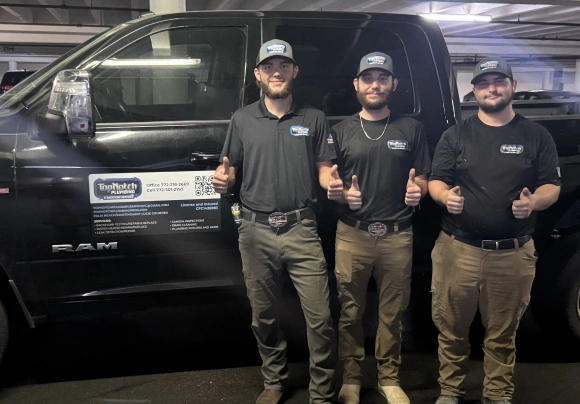
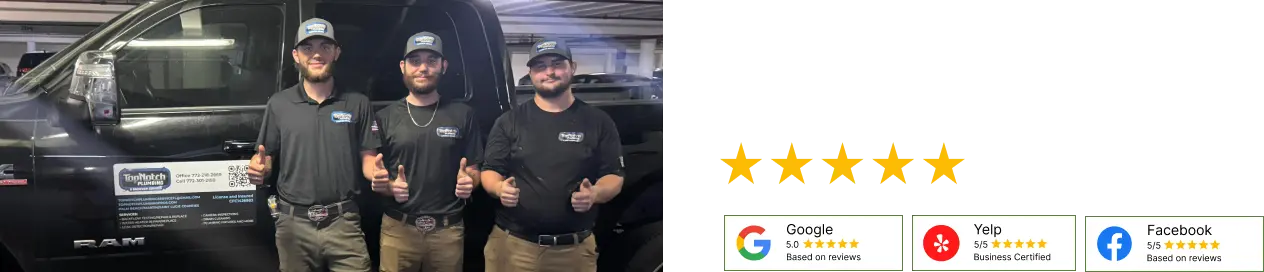
Top Notch Plumbing and Backflow Services offers local, licensed backflow prevention, testing, and repair services tailored to Port St. Lucie needs, combining compliance support with emergency responsiveness. The company operates as a lead generation and information hub offering 24/7 emergency services, transparent pricing, and durable solutions across St. Lucie, Martin, and Palm Beach Counties. Technicians are licensed professionals (CFC1426983) who perform annual testing, repairs, and installations of common assemblies and provide the documentation utilities require. For property owners seeking dependable service and compliance assistance, Top Notch Plumbing and Backflow Services provides scheduling, testing, and reporting support to help maintain water safety and avoid enforcement action.
Beyond backflow prevention, Top Notch Plumbing and Backflow Services also offers a comprehensive range of plumbing solutions. From routine maintenance to emergency repairs, their team handles various needs, including expert water heater installation, repair, and replacement services, ensuring your entire plumbing system operates efficiently.
| Service | Attribute | Benefit/Detail |
|---|---|---|
| Backflow testing | Annual certified tests | Ensures compliance and documents device performance |
| Backflow repair | Licensed technicians | Repairs or replaces failed components to restore protection |
| Installation | RPZ, DCVA, PVB work | Matches device type to site risk for long-term safety |
What Local Expertise and Certifications Do Our Technicians Have?
Top Notch Plumbing and Backflow Services employs licensed professionals identified by license CFC1426983 who are experienced with local codes and utility reporting requirements across St. Lucie, Martin, and Palm Beach Counties. Their technicians are trained to test assemblies, interpret failure reports, and recommend either targeted repairs or assembly replacements based on site pressure and cross-connection risk. This local expertise helps streamline compliance reporting and reduces the time from diagnosis to resolution. Working with a firm knowledgeable about Port St. Lucie procedures minimizes follow-up and documentation delays.
How Do We Ensure Fast, Reliable, and Transparent Backflow Repair Services?
The service process follows a clear workflow: initial call and triage, on-site inspection and testing, written test reporting, and rapid repair or replacement with transparent pricing estimates. Emergency service availability helps manage contamination risks promptly, and technicians prioritize repairs that restore protection and meet local utility reporting standards. Transparent pricing and durable materials reduce repeat failures, while clear documentation supports regulatory compliance. For scheduled testing or emergency repairs in Port St. Lucie, contact Top Notch Plumbing and Backflow Services at +1 772 218 2669 or [email protected] to arrange service and receive compliance-oriented support.